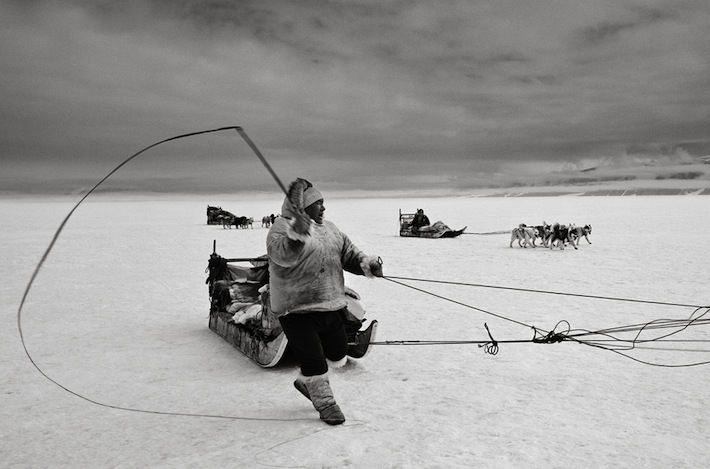
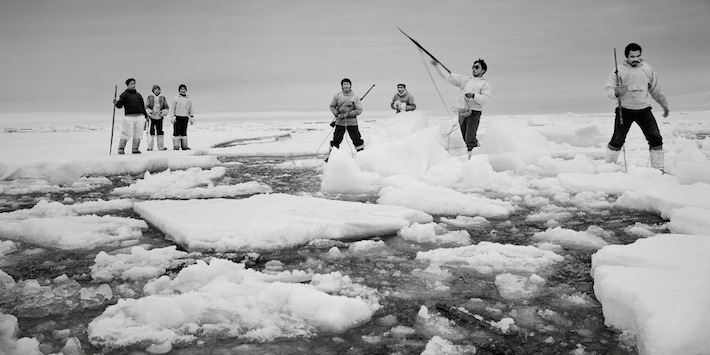
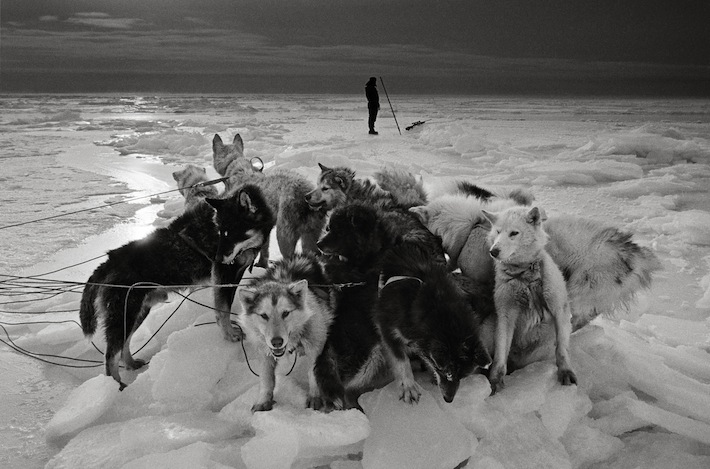
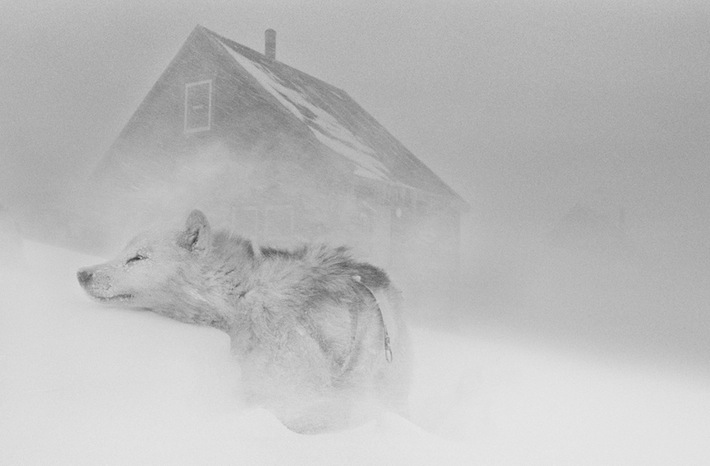
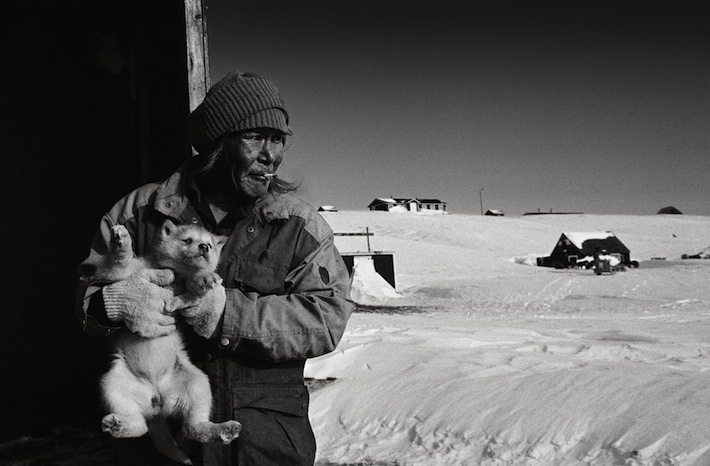
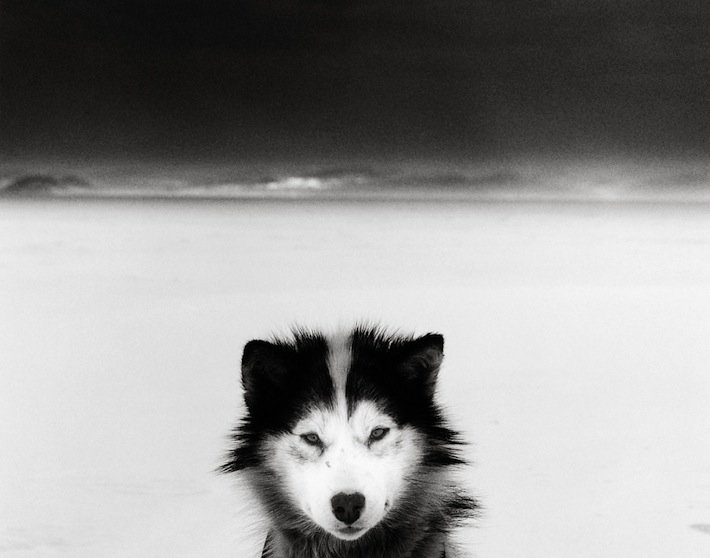
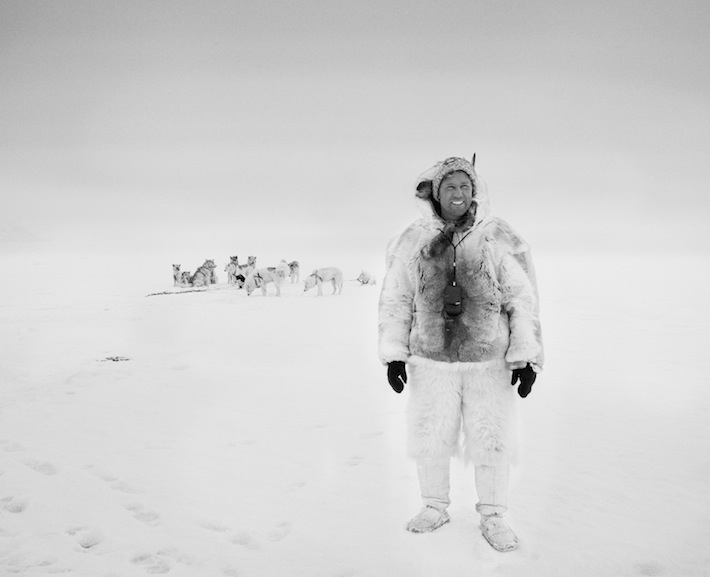
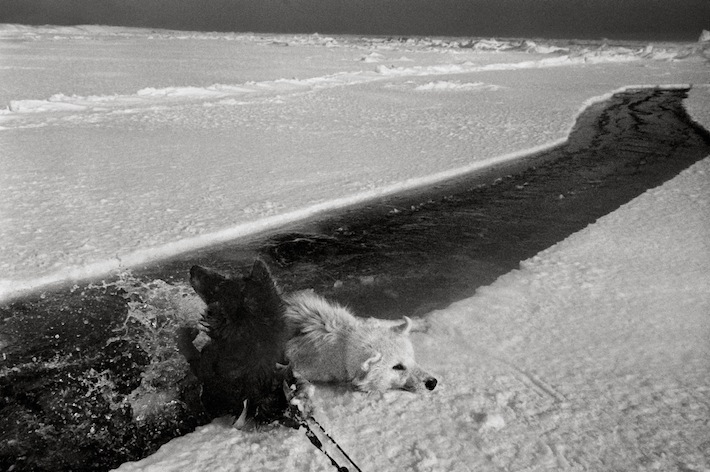
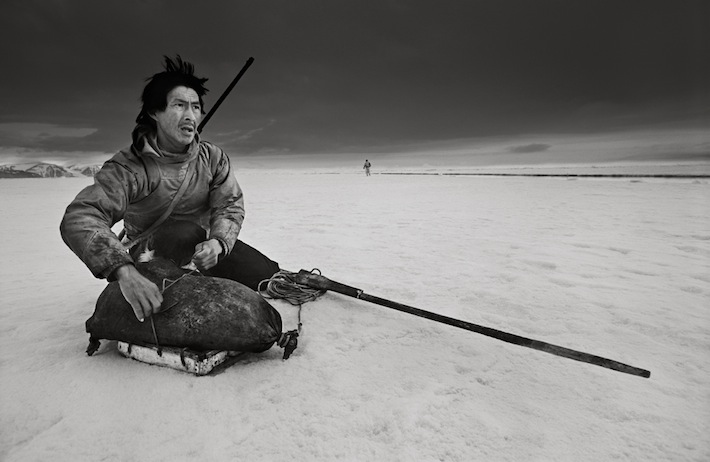
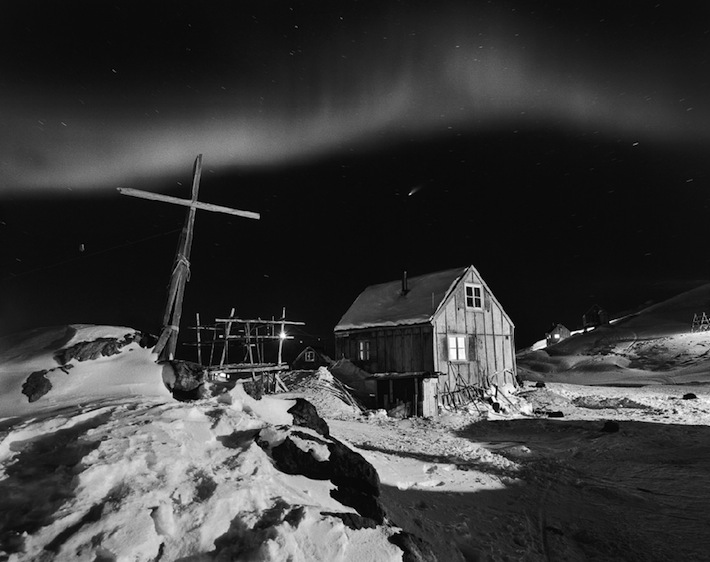
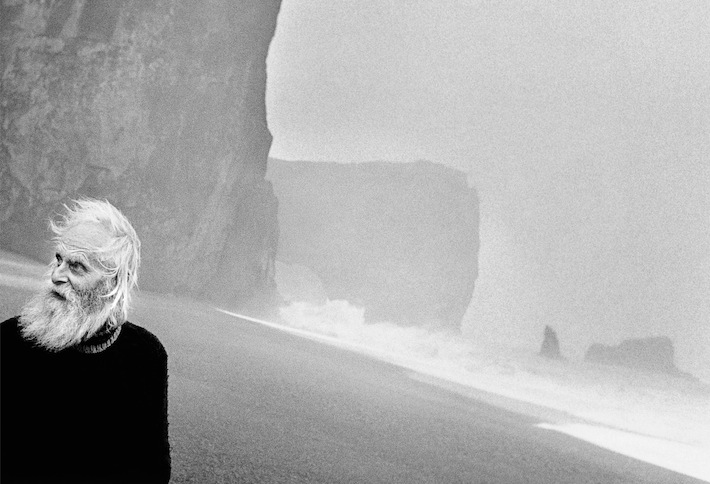
Icelandic photographer, Ragnar Axelsson, has won much acclaim for his photographs of the Arctic. Year after year, he has followed Inuit hunters in their pursuit of food, taken black and white pictures of ice structures to show their receding nature and given people in all parts of the world, a rare glimpse into an almost extinct way of life. Ragnar has inspired hundreds of people worldwide to consider the implications of their actions and to curb their excesses.
Il fotografo islandese Ragnar Axelsson ha ricevuto grandi riconoscimenti per le sue foto dell’Artide. Anno dopo anno ha seguito i cacciatori Inuit nella loro ricerca di cibo, ha fatto foto in bianco e nero di strutture glaciali per mostrare la loro ritirata e ha dato a genti di tutte le parti del mondo la possibilità di dare uno sguardo a un modo di vivere quasi estinto. Ragnar ha ispirato centinaia di persone di ogni Paese a considerare le conseguenze delle proprie azioni e a limitare i loro eccessi.
Most directly though, at least for me, Ragnar shows a world which I will probably never frequent. The Arctic is among the last places on Earth which most people have never visited and that will remain foreign for years to come. His photographs reveal its jarring beauty, the sharp edges of glaciers are softened by the surrounding grays, a wolf peeks adorably at the viewer in the foreground of a harsh winter day. His photographs in other words, showed me a way of life, surrounded by wintry tundra, completely foreign to me.
Più direttamente però, almeno per me, Ragnar mostra un mondo che probabilmente non avrò mai occasione di frequentare. L’Artide è tra gli ultimi luoghi sul pianeta che la maggior parte della gente non ha mai visitato e che rimarrà sconosciuta ancora per anni. Le sue foto rivelano la sua bellezza stupefacente: i bordi affilati dei ghiacciai sono addolciti dai toni di grigio circostanti, un lupo fa capolino adorabilmente verso lo spettatore sullo sfondo di un duro giorno invernale. Le sue foto mi hanno mostrato una forma di vita, circondata dalla tundra in inverno, a me completamente sconosciuta.
As importantly, Ragnar’s photographs give the viewer a peek into the life of Inuits. He often speaks of a hunter whom he met during one of his trips and with whom he routinely travels. In a matter of years, the hunter had to sell many of his sheep and the Icelandic landscape looked radically different from the endless stretch of ice it had seemed before.
Altrettanto importante è che le foto di Ragnar consentono uno sguardo dentro la vita degli Inuit. Spesso lui parla di un cacciatore che incontrò durante una delle sue visite e con cui viaggia regolarmente. Nel giro di pochi anni, il cacciatore ha dovuto vendere molte delle sue pecore e il paesaggio islandese è cambiato radicalmente.
After hearing about his photography from my mother who saw his exhibition in Norway, I became intrigued. I asked him if I could interview him and he graciously agreed.
Dopo aver sentito parlare delle sue foto da mia madre che vide la sua mostra in Norvegia, sono rimasta colpita. Gli ho chiesto un’intervista e lui gentilmente ha accettato.
Your questions seem to focus on the effects of global warming on the people of the Arctic. Have you noticed any changes in the culture of the people of the Arctic?
Le tue ricerche sembrano focalizzate sugli effetti del global warming sulle popolazioni dell’Artide. Hai notato cambiamenti nella cultura delle genti dell’ Artide?
I think there will be a drastic change in the culture in the Arctic in the coming years. The young generation is not going to be a part of that hunting tradition, which is kind of fading away. For the next five or ten years there will be new companies like mining companies , aluminium smelters and companies looking for Gold and oil. What the future holds is a big question. The hunting tradition is in a struggle as the hunters in the smaller communities who live only as hunters are getting fewer and fewer not only because of thinking of the ice but also because of difficulties selling the skins, tusks and the material from the animals they hunt.
Penso che ci sarà un cambiamento drastico nella cultura dell’Artide nei prossimi anni. I giovani non saranno più parte della tradizione della caccia, che sta scomparendo. Nei prossimi cinque o dieci anni ci saranno nuove compagnie, tipo società minerarie, impianti per l’alluminio, ditte di esplorazione alla ricerca di oro e petrolio. Quello che riserva il futuro è un grosso punto interrogativo. La tradizione della caccia è in crisi perché nelle piccole comunità i cacciatori che vivono di sola caccia sono sempre di meno; non solo per il ghiaccio più sottile, ma anche per le difficoltà a vendere le pelli, le zanne e i materiali provenienti dagli animali cui danno la caccia.
You recently took pictures about AIDS in Africa. How did you have to transform your photographic technique to accommodate the new environment?
Recentemente hai fatto foto sull’AIDS in Africa. Come hai dovuto adattare la tua tecnica fotografica al nuovo ambiente?
It was not difficult I have always travelled around the world in all kind of situations and weather. It was kind of sad to see the poverty in Africa and seeing Aids destroying families leaving small children alone. But it was much easier taking photographs in the heat than fighting the colder climate.
Non è stato difficile. Ho sempre viaggiato per il mondo in tutte le situazioni e condizioni climatiche. È stato triste vedere la povertà in Africa e vedere come l’AIDS distrugga le famiglie lasciando bambini piccoli da soli. Ma è stato molto più facile scattare foto con il caldo che combattere il clima freddo.
Ci sarà un cambiamento drastico nella cultura dell’Artide nei prossimi anni. I giovani non saranno più parte della tradizione della caccia, che sta scomparendo
How many trips do you have to take to a place before you complete a series?
Quanti viaggi devi compiere a una destinazione prima di completare una serie?
I always feel I could have done better and that is why I often go back, sometimes i feel like repeating myself so I only go once or twice. I have been now following the same person for twenty-three years when he is walking the mountains for a week every year looking for his sheep in the mountains with other farmers. It has been fun but a huge struggle fighting the weather in all kind of situations. In the beginning of the project he was the owner of hundreds of sheep they were looking for and getting back from the mountains before winter hits, now he has none . He has sold his farm but he always goes up to the mountains, that is where his life is. This project with the working title Behind the Mountains will be published next fall as a book and it will be printed in Italy.
Sento sempre che avrei potuto fare meglio e per questa ragione spesso ritorno; qualche volta per paura di ripetermi torno solo una volta o due. Ho seguito la stessa persona per ventitré anni mentre cammina per le montagne e per una settimana all’anno mentre custodisce le sue pecore in montagna con altri contadini. È stato divertente, ma anche una dura lotta con le condizioni meteorologiche in tutti i tipi di situazione. All’inizio del progetto possedeva centinaia di pecore che custodiva e riportava dalle montagne, ora non ne ha più. Ha venduto la sua fattoria, ma va ancora su per le montagne, lassù ha la sua vita. Questo progetto, dal titolo ancora provvisorio Behind the mountains, in autunno diventerà un libro e sarà stampato in Italia.
Why did you decide to photograph the Arctic?
Perché hai deciso di fotografare l’Artide?
I always wanted to see with my own eyes after reading as a boy the adventures of the great explorers and the way the Inuits lived and survived that extreme cold. Not many photographers were photographing the people in the Arctic when I started doing so. Most photographers were doing the warmer side of the planet and I live here in Iceland and the cold is something that I grew up with in the winter time. I was not thinking about global warming in the beginning but i saw that early on in the project and the Inuits sensed it before most of the world.
Ho sempre voluto vedere con i miei occhi, dopo aver letto da ragazzo le avventure dei grandi esploratori, il modo in cui gli Inuit vivono e resistono a quel freddo estremo. Quando ho iniziato a farlo io non c’erano molti fotografi che documentavano queste popolazioni. La maggior parte dei fotografi si occupava della parte calda del pianeta; io vivo qui in Islanda, il freddo è qualcosa con cui sono cresciuto nella stagione invernale. All’inizio non pensavo al global warming, ma l’ho notato subito durante il progetto; gli Inuit se ne sono accorti prima del resto del mondo.
Why do you photograph in black and white?
Perché fotografi in bianco e nero?
I just love black and white, to me black and white is much stronger, everything is in color. Black and white leaves something behind for the imagination.
Semplicemente amo il bianco e nero, per me è molto più forte, tutto è a colori. Il bianco e nero lascia qualcosa all’immaginazione
How has the Arctic landscape changed your photography?
Quale cambiamento ha portato nella tua fotografia il paesaggio dell’Artide?
It is overwhelming the beauty of the north that has added some new chip in my brain Those who have travelled on a dog sledge and see the beauty of a gigantic iceberg will never forget it and something just stays there forever and helps your mind spinning for new ideas.
È travolgente la bellezza del Nord, è come se avesse aggiunto qualcosa in più al mio modo di pensare. Quelli che hanno viaggiato su una slitta tirata da cani e visto la bellezza di un iceberg gigantesco non lo potranno più dimenticare, resta lì per sempre aiutando la mente a generare nuove idee.
Why do you continue to photograph the Arctic?
Perché continui a fotografare l’Artide?
I do that because it is and endless story. The ice is melting and there are changes in the life of the people living there, especially in the smaller communities. I am now photographing in color the melting of the ice for future generations, to see the beauty of it. It will be a book with abstract photographs of ice. I went to the North Pole and to Antarctica and also here in Iceland where a thousand year old ice is melting into the ocean rising the sea level of our planet, our only home.
Lo faccio perché è una storia senza fine. I ghiacci si sciolgono e ci sono cambiamenti nella vita delle persone che ci vivono, specialmente nelle piccole comunità. Adesso sto fotografando a colori lo scioglimento dei ghiacci per le future generazioni, perché ne vedano la bellezza. Sarà un libro con fotografie astratte dei ghiacci. Sono andato al Polo Nord, in Antartide e pure qui in Islanda dove ghiacci vecchi di mille anni si sciolgono nell’oceano aumentando il livello del mare sul nostro pianeta, la nostra sola casa.
How did you gain the hunters’ trust in the Arctic?
Come hai conquistato la fiducia dei cacciatori in Artide?
It took some time in the begining but when I gained their trust the word spread around that I was ok and i could take photographs and travel with the hunters that usualy never took anybody along when they where hunting.
All’inizio c’è voluto un po’ di tempo, ma quando ho guadagnato la fiducia, si è sparsa la voce che non avevo cattive intenzioni e ho potuto scattare foto e viaggiare con i cacciatori che normalmente non si portano dietro nessuno mentre sono via.
You say that Mary Ellen Mark has inspired you to continue working. Has her photography inspired yours at all?
Tu dici che Mary Ellen Mark ti ha esortato a continuare il lavoro. Sei stato ispirato in qualche modo dalle sue foto?
Mary Ellen is a great friend and she is one of the greatest photographers of all time. She has inspired me with her passion of photography and believing in what you are doing. She is a great woman and I got some ideas in my photographs from her without copying her, I could never do that. I read a lot and look at books with great photographers and painters, it is always a great thing to do it gives new ideas. It is like musicians who write a song: they hear something on the radio and they make a beautiful song based on the song they heard, but you could never hear or see that because the song is totally different. When Paul McCartney wrote Hey Jude it was based on a song he heard on the radio but it does not sound even close to Hey Jude. It is the same in photography to me it can be a great inspiration looking at other photographers work giving new ideas and a kick in the rear end.
Mary Ellen è una grande amica e una delle migliori fotografe di sempre. Mi ha ispirato con la sua passione per la fotografia e facendomi credere in quello che faccio, è una grande donna e da lei ho ricavato alcune idee per le mie fotografie senza copiarla, non lo potrei mai fare questo. Io leggo molto e mi documento sempre sui testi di grandi fotografi e pittori, è sempre una buona cosa da fare: ti offre nuovi spunti. È come per i musicisti quando scrivono una canzone: sentono qualcosa alla radio e compongono una bella canzone basata su quello che hanno sentito, ma non è possibile riconoscere il brano di partenza perché la nuova canzone è completamente diversa. Quando Paul McCarney ha scritto Hey Jude, era basata su una canzone che aveva sentito alla radio, una canzone che non somiglia neppure un po’ a Hey Jude. È lo stesso per me in fotografia, guardare il lavoro di altri fotografi mi dà nuove idee e un calcio nel sedere.
Have you ever worked with other Arctic photographers like Bill Hess?
Hai mai lavorato con altri fotografi dell’Artide tipo Bill Hess?
No I know his work and he is great, I am always alone when I am photographing.
No, conosco il suo lavoro e lo trovo fantastico, ma sono sempre da solo quando fotografo.
What cameras do you prefer to take photographs with?
Con che macchina fotografica preferisci lavorare?
I did all my arctic project on a Leica, Linhof 6×12, Mamiya 7 and Canon all on film.
Tutto il mio progetto in Artide è stato fatto con una Leica, una Linhof 6×12, una Mamiya 7 e Canon, tutto su pellicola.
How do your cameras withstand the freezing conditions?
Come fanno le tue macchine fotografiche a sopportare le condizioni di gelo?
It was hard sometimes: they were all frozen, but they worked they were all manual, no batteries worked in the cold and my light meter did not work so I had to guess the light sometimes.
Qualche volta è stata dura: erano completamente congelate, ma funzionavano, sono completamente manuali, le pile non funzionavano a quelle temperature, nemmeno gli esposimetri, spesso ho dovuto tirare a indovinare le condizioni di luce.
How do you adapt your photography to the different people living in the Arctic?
Come si è adattata la tua fotografia alle diverse popolazioni che vivono in Artide?
I have to find my way doing that, it is at the moment not as exciting as the hunters life. It has probably something to do with a fading away life. It is like losing someone, but life goes on and it will come and I think I have to be open minded when it comes to new traditions.
Devo trovare il mio modo di farlo, al momento non è eccitante come la vita dei cacciatori. Probabilmente ha qualcosa a che vedere con uno stile di vita che scompare. È come perdere qualcuno, ma la vita continua e ci arriverò… Penso di dover essere mentalmente aperto quando si parla di nuove tradizioni.