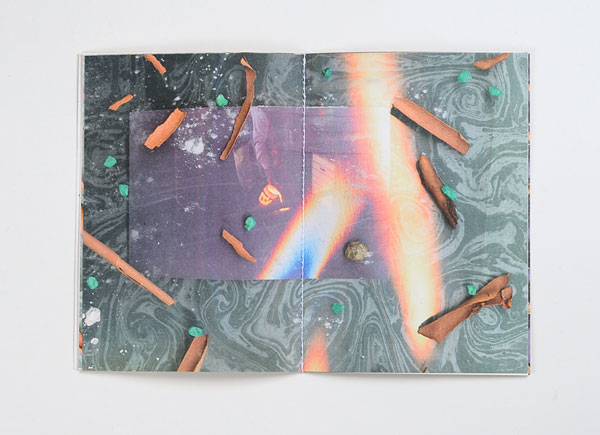
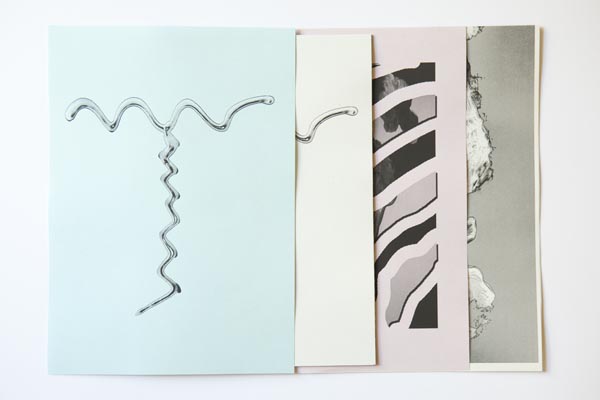
RAWRAW edizioni was born in 2006, it has under it’s belt more than fifty titles and is about to get into a new editorial process at the end of 2012. Half Roman, half Milanese, the names are Massimiliano Bomba, artist, and Bea De Giacomo, photographer, united by the implied qualification of editors.
RAWRAW edizioni nasce nel 2006, ha all’attivo oltre cinquanta titoli e si appresta ad entrare in un nuovo percorso editoriale a fine 2012. È per metà romana e per metà milanese, mentre i nomi sono Massimiliano Bomba, artista, e Bea De Giacomo, fotografa, accomunati dalla sottintesa qualifica di editori.
DUDE: I remember the first time I saw a RawRaw publication. It was many years ago, at least three, and it was a club in San Lorenzo, Rome. How much has your production evolved from then on? RawRaw: In three years we have published more then thirty titles, amongst collaborations and splits, we are in continues evolution, trying as much as we can to keep our eyes fixed on what we consider to be contemporary. If I had to choose what represents us today, I would say that we are working by subtraction, focusing our decisions on solid and well structured editorial projects. 99% of our production originates from the direct relation with the artist and his own work.
DUDE: Mi ricordo la prima volta che ho visto una pubblicazione RawRaw. Erano molti anni fa, almeno tre, ed era un locale a San Lorenzo, Roma. Quanto si è evoluta la vostra produzione da allora? RawRaw: In tre anni abbiamo pubblicato oltre trenta titoli, tra collaborazioni e split, siamo in continua evoluzione, cercando il più possibile di tenere gli occhi puntati su ciò che consideriamo contemporaneo. Se dovessi scegliere che cosa ci rappresenta oggi, direi che stiamo lavorando per sottrazione focalizzando la nostra scelta su progetti editoriali solidi e ben strutturati. Il 99% della nostra produzione nasce dal rapporto diretto con l’artista e il suo lavoro.
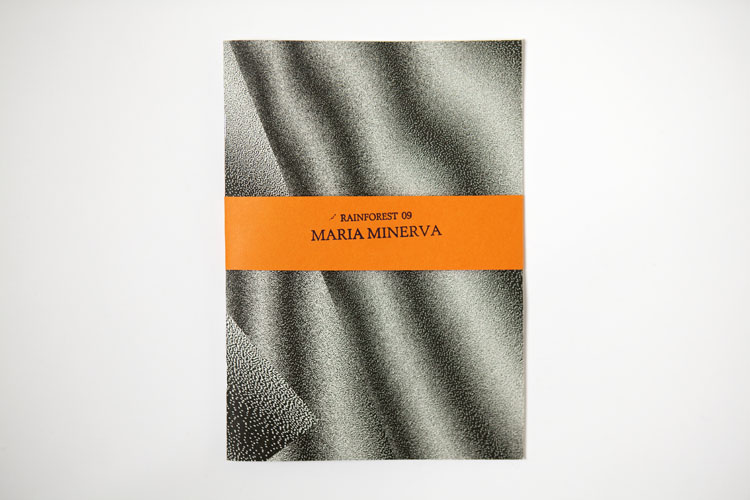
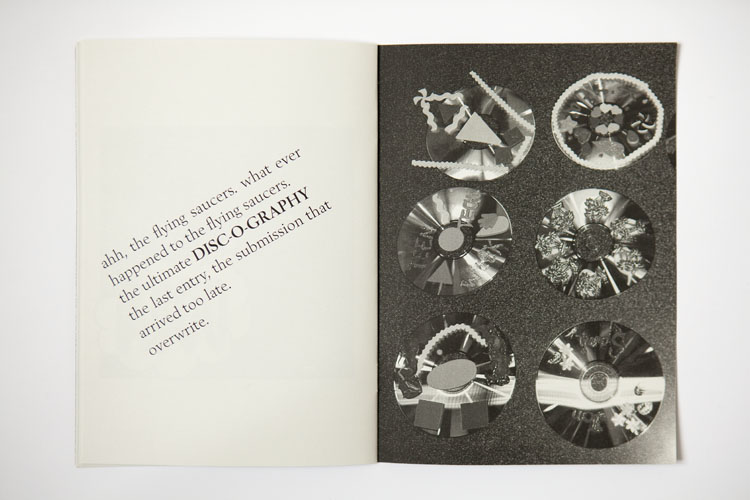
I very much liked the project of the series Rainforest – to combine publishing industry, illustration and music can be a way to re-launch sales for the physical object, both paper and in the form of cds. How was this idea born and which developments do you think it could have? The first Rainforest issue was born in 2009 in the occasion of a live-set organized by Valerio Mattioli and Francesco De Figueiredo, and the name comes from the homonym monographic music rubric, already present on NERO magazine’s blog. What most of all interests us is the possibility of proposing a sort of mapping in respect to what we think is relevant in a musical and aesthetic area, whereas for the various artists involved, the Rainforest project becomes the possibility to render visible their referential imaginary. Future project developments will be the opening of a web space on which to publish the various videos of the live – sets by Michele Mafellotto and an anthology volume expected for 2013.
Mi piace molto il progetto della serie Rainforest – accostare editoria, illustrazione e musica può essere un modo per rilanciare la vendita dell’oggetto fisico sia cartaceo che sotto forma di cd. Come è nata questa idea e quali sviluppi credete possa avere? Il primo numero di Rainforest nasce nel 2009 in occasione di un live organizzato da Valerio Mattioli e Francesco De Figueiredo, e il nome deriva dall’omonima rubrica musicale monografica, già presente sul blog di NERO magazine. Ciò che più ci interessa è la possibilità proporre una sorta di mappatura rispetto a ciò che riteniamo di rilievo in ambito musicale ed estetico, mentre per i vari artisti coinvolti, il progetto Rainforest diviene la possibilità di rendere visibile il loro immaginario di riferimento. Sviluppi futuri del progetto sono l’apertura di uno spazio web su cui pubblicare i vari video dei live a cura di Michele Mafellotto ed un volume antologico previsto per il 2013.
Leafing through your works on your site, a certain preciseness is noticeable in the communication of the specific techniques of your prints, reminiscent of what happens for the different types of paper. What type of research do you do in respect to the paper material and the printing medium? Regarding the utilized material, we try to adapt each specific technique to each edition, spacing from the manual binding to the printing offset, rice, or indigo. What we try to do is to treat in the best way possible the artists that we select and try to find stylistic solutions that give an added value to each single publication.
Sfogliando i vostri lavori sul sito, si nota una certa meticolosità nella comunicazione delle specifiche tecniche dei vostri stampati, come accade per i diversi tipi di carta. Che tipo di ricerca fate rispetto al materiale cartaceo e quale sul mezzo di stampa? Per quanto riguarda i materiali utilizzati, cerchiamo di adattare ad ogni edizione la sua specifica tecnica, spaziando dalla rilegatura a mano alla stampa offset, riso o indigo. Quello che cerchiamo di fare è di trattare nel migliore dei modi gli artisti che selezioniamo e di trovare soluzioni stilistiche che diano valore aggiunto ad ogni singola uscita.
Do you have your own lab, a space of confusion where you keep your instruments and your inputs? For the time being we use the house as a studio/ typing agency/ binding agency (non esiste la parola rilegatoria in inglese me la sono inventata), sometimes it does happen that we lean on friends or colleagues, this as well varies depending on the support on which we are working.
Avete un vostro laboratorio, uno spazio della confusione dove tenete tutti i vostri strumenti e i vostri input? Per ora utilizziamo la casa come se fosse uno studio/copisteria/rilegatoria, ma capita anche di appoggiarci da amici o colleghi, anche questo varia dal supporto su cui stiamo lavorando.
Which are the editorial realities on which you keep an eye on? The area of the independent publishing industry today is as much in expansion as in a sort of stall from the contents point of view, on top of suffering from a stylistic mannerism without precedents. While the so called fanzine are an optimum print medium for everything which concerns costs and production time periods but suffer from enormous technical limits. For us the ideal is diversifying materials and formats depending from the editorial content proposed. Just to name a few: The Milan Review, Edizioni NERO, Automatic Books, Studio Temp.
Quali sono le realtà editoriali indipendenti che tenete sempre d’occhio? L’ambito dell’editoria indipendente oggi è tanto in espansione quanto in una sorta di stallo da un punto di vista contenutistico, oltre a soffrire di un manierismo stilistico senza precedenti. Mentre le così dette fanzine sono un ottimo mezzo stampato per tutto ciò che riguarda costi e tempi di produzione ma soffre di limiti tecnici enormi. Per noi l’ideale è diversificare materiali e formati a seconda del contenuto editoriale proposto. Per fare qualche nome su tutti: The Milan Review, Edizioni NERO, Automatic Books, Studio Temp.


![]()